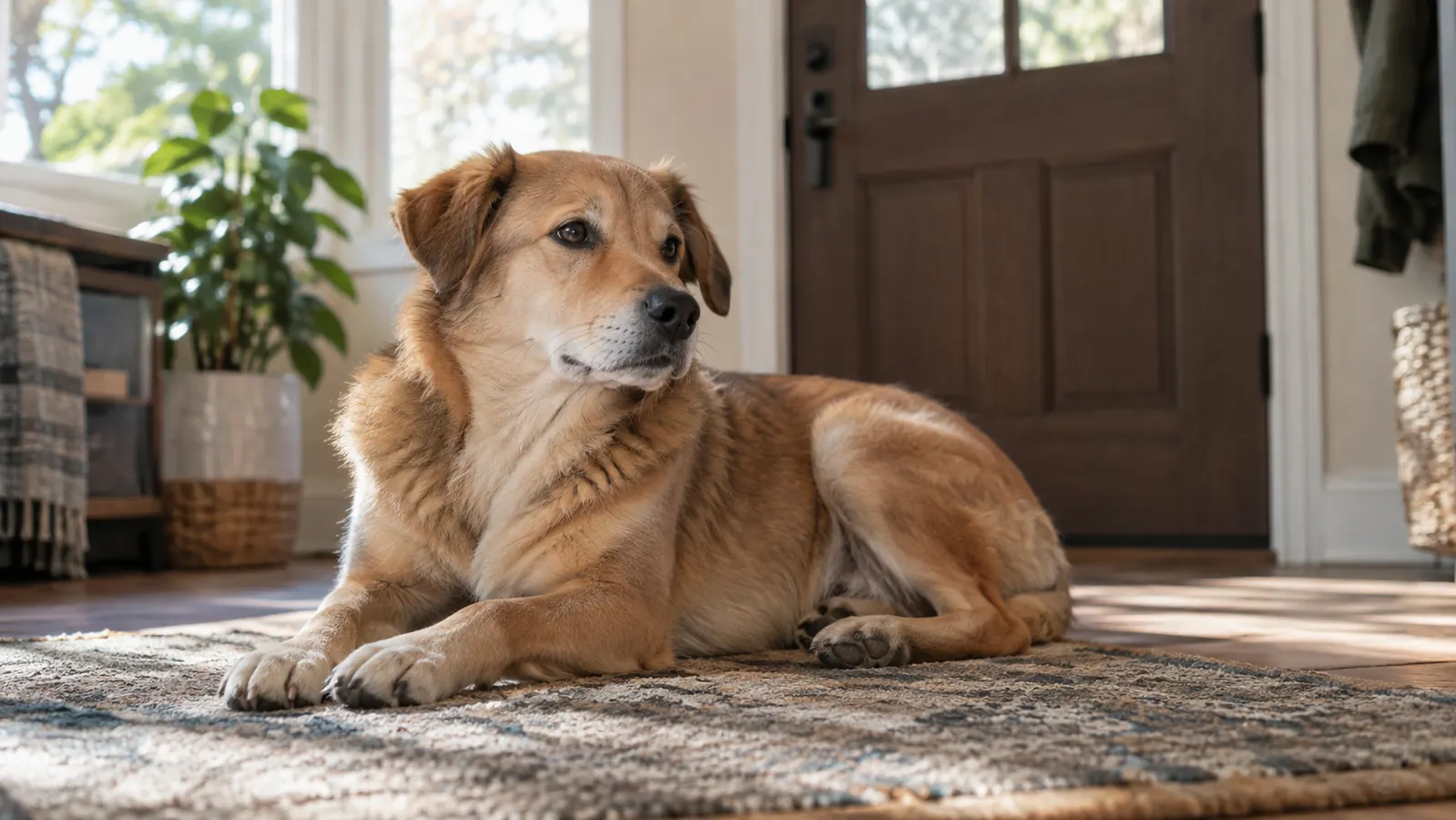
Some dogs start trembling the second they hear car keys. They cry at the front door, scratch the wood, or stand at the window long after you have driven away. I have been in dozens of living rooms where this is the exact reason a family finally asks for help. Separation anxiety in dogs rarely comes from one big event. It usually builds from small patterns that repeat until a dog decides being alone is dangerous. The good news is that those patterns can change.
Before I explain the reasons, I need to say where NaturVet Quiet Moments soft chews fit. They can help a worried dog settle during retraining, but they are not a sedative and they are not a cure for true separation distress. If your dog is harming himself, destroying doors, or panicking to the point of drooling, call your veterinarian first. Then come back and read the rest.
When a dog panics at the sound of your keys, a calm body is the starting point
I use calm-down aids the way a musician uses a metronome, to set a steady pace. NaturVet Quiet Moments is a soft chew that can take the edge off a worried dog before a practice departure. It does not replace the training. It just makes the training possible.
Amazon Check current price on Amazon →They Learn Your Leaving Cues
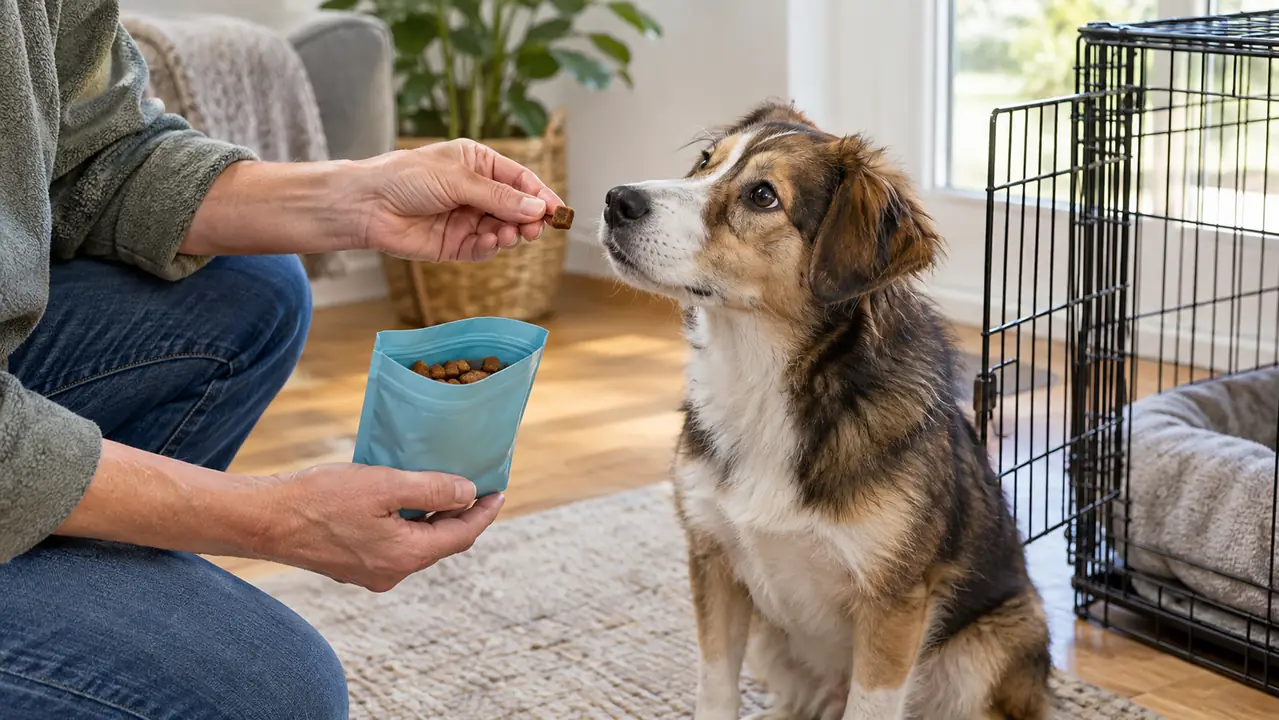
Most dogs are smarter about routines than we give them credit for, and that is part of the problem. Keys, jacket, shoes, a last sip of coffee, they all line up like a weather forecast for hours of alone time. The panic starts before the door is even open because the dog has already predicted what comes next. Try breaking the sequence. Pick up your keys earlier, put shoes on in another room, change the order, and practice short fake departures that end with a treat. When the cue queue stops meaning goodbye, the alarm can start to quiet.
Alone Time Jumped Too Fast
A puppy who spent every day with you cannot suddenly handle a full workday. Dogs need loneliness in small doses the same way they need new experiences in small doses. If you leave for eight hours and your dog is panicking at minute three, you are accidentally teaching the panic to last longer each time. Start with 30 seconds, then two minutes, then ten. The goal is to return before the worry turns on. If that is not possible because of your workday, a dog walker or a structured midday visit may be worth more than any gadget.
Everything Safe Changed at Once
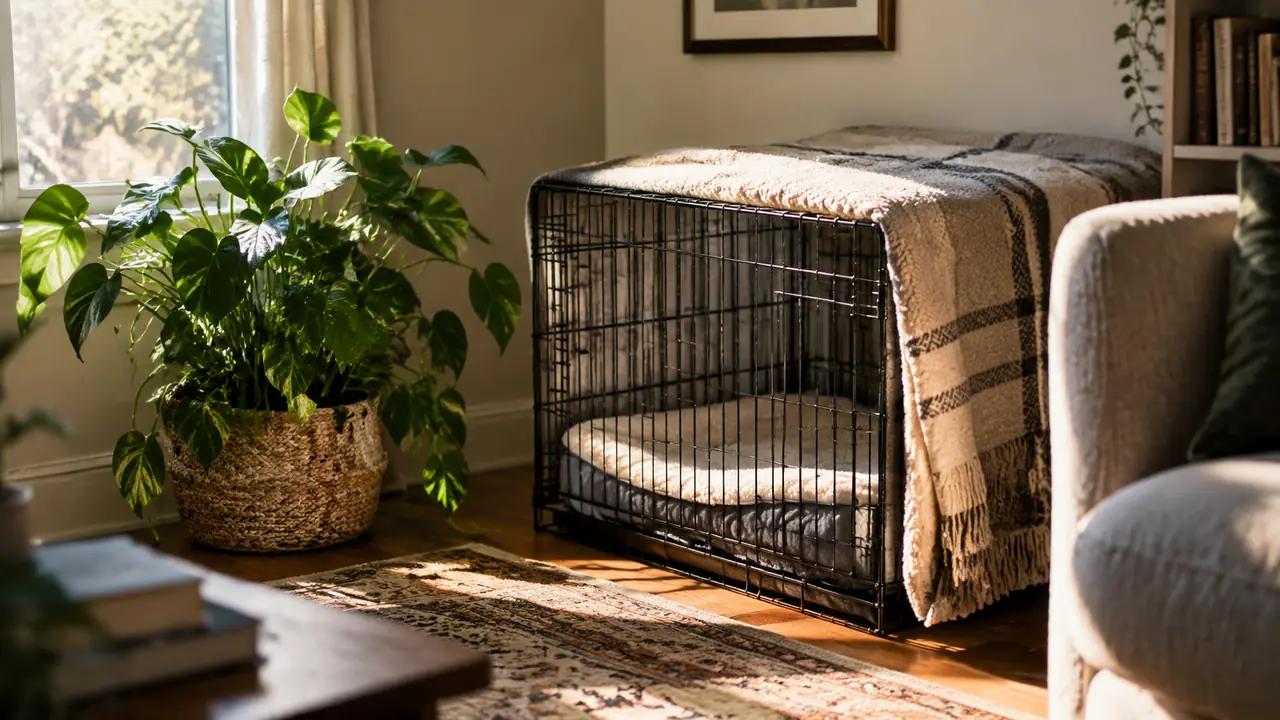
Moving to a new house is exciting for us and overwhelming for a dog. The old house had familiar sounds, smells, and corners. The new one is full of changes, and a dog in an unfamiliar crate in an unfamiliar room can feel exposed. Unpack the room the dog will use first. Bring the bed they already know, keep meal times the same, and spend the first few nights sleeping near them. Most dogs settle in a couple of weeks, but a sudden move on top of a new schedule can tip a nervous dog over the edge.
Someone Left or Someone New Arrived
Dogs notice changes in the family circle. A child leaving for college, another dog passing, a breakup, or a new baby changes the whole atmosphere of a home. Many shelters see surrendered dogs after a loss because the owners did not realize the dog was grieving too. Give the dog extra structure during the transition. Keep walks at the same time, keep the crate a safe zone, and do not feel guilty about offering a calming chew on hard days. Guilt will not help, but a steady routine will.
The Schedule Turned Upside Down
Dogs keep time better than we do. When I saw separation problems spike among dogs whose owners went back to the office, the cause was almost always a schedule change rather than a stubborn animal. Dogs handle change better when the new routine looks like the old one as much as possible. If you have to leave at seven now, practice leaving at seven on weekends too. Predictability is calming in itself.
A Tired Dog Can Still Have a Wired Brain
Exercise helps, but tired legs do not always mean a calm mind. I have watched high-energy dogs come home from a long run and still panic the moment the door closes. Mental work matters, and so does lowering a nervous system that is stuck on alert. This is where a supplement like NaturVet Quiet Moments can help as a bridge. Give it about 30 minutes before a practice departure, paired with the exact routine you want the dog to learn. It should not be the only answer, but it can make the answer teachable.
The Goodbye Got Too Emotional
If you hug, apologize, and stroke a trembling dog before every departure, you are telling them, in dog language, that something bad is about to happen. Dogs read our body language, not our words. Keep the minute before you leave boring. Hand over a stuffed toy or a long-lasting chew, turn away calmly, and leave without drama. If you can get the dog absorbed in something wonderful, the door opening loses some of its power. The comeback greeting matters too. Ignore the jumping until a sit, then speak softly.
The Dog Is Never Allowed to Be Alone
Some owners take their dog everywhere, including the bathroom. The bond feels sweet until the dog cannot cope with a shut door. Alone skills need practice even when you do not need to leave. Close the door for a minute. Ask the dog to stay on a mat while you go into another room. Build up tiny absences during the day so being separated is boring rather than scary. If the dog has never practiced being alone, five minutes can feel like a lifetime, and the panic can become a habit.
Pain Makes Being Alone Scarier
I have sat beside older dogs who seemed anxious about nothing until a vet visit found arthritis or a dental problem. Pain is exhausting, and a dog in pain feels more vulnerable when the pack disappears. If separation anxiety appears suddenly in a middle-aged dog, schedule a vet exam before spending too much time on training. Once the physical issue is addressed, the anxiety may shrink to a manageable size. Do not assume every behavior issue is in the dog's head.
Nervous Wiring or History Is at Work
Some dogs are born with more sensitive nervous systems. Others come from backgrounds that left them with reasons to worry. Shelter dogs often arrive with separation issues because they have been handed from one home to another. None of this means the dog cannot improve, but it does mean you should not expect a one-week fix. Plan on weeks of tiny departures, adjust the environment, and be honest about whether your dog needs a veterinary behaviorist. The reason matters less than the plan.
What I'd Skip
If your dog panics when you leave, I would skip punishment entirely. Scolding twenty minutes after the fact does not register; the dog only learns that you coming home is scary. I would also skip any gadget that claims to cure separation anxiety on its own, including a calming supplement. NaturVet Quiet Moments can help the training go smoother, but no chew can teach a dog that you will always come back. That part comes from repetition, patience, and a predictable routine.
The dogs that improve fastest are not the ones with the most expensive equipment. They are the ones whose owners stop practicing the panic and start rehearsing calm departures.
Start with one tiny goodbye your dog can handle
Pick one reason from this list that sounds like your house. Change that one pattern today. If you want a little extra support while you practice, NaturVet Quiet Moments is the soft chew I recommend to clients who ask for a calming aid. It is a bridge, not a cure, and it works best inside a plan.
Amazon Check current price on Amazon →